How to Choose Kids Books That Feel Truly Personal
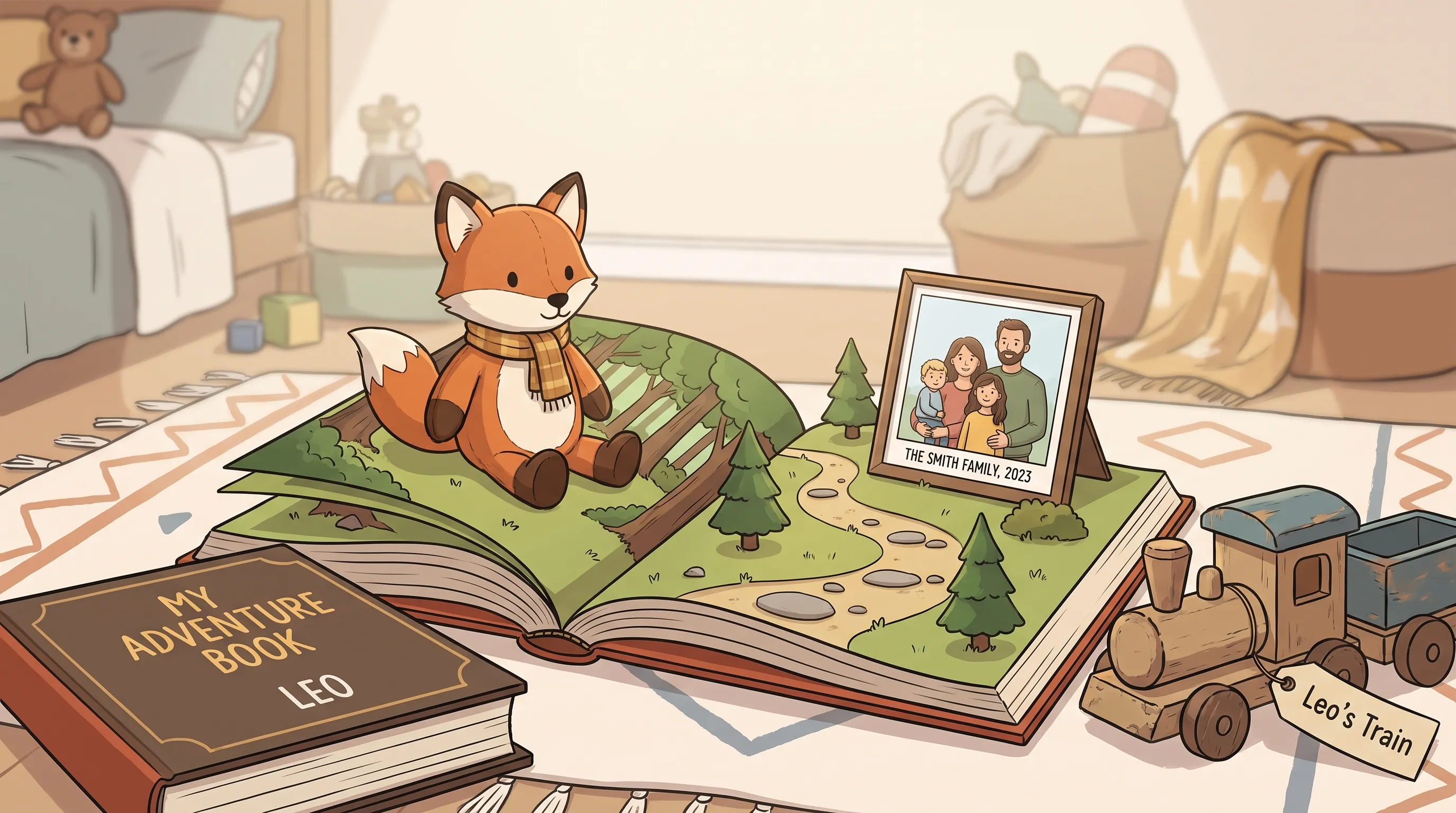
Choosing kids books that feel truly personal is not the same as finding the newest bestseller, the brightest cover, or the book with the child’s name printed on page one. A personal book feels as if it understands the child. It meets them where they are, reflects something they care about, and gives them a reason to come back to the story again.
That matters because children do not build a reading life from obligation alone. They build it from recognition, comfort, curiosity, surprise, and shared moments with adults they trust. BookTrust’s reading guidance places a strong emphasis on making reading enjoyable and relaxed, which is exactly where personal relevance can make a difference.
Whether you are buying for your own child, choosing a birthday present, or creating a personalised storybook from scratch, the best kids books usually have one thing in common: they make the child feel seen without making the story feel forced.
What makes a kids book feel personal?
A book can be personal in two ways. It can be literally personalised, with the child’s name, appearance, family, favourite places, or interests included in the story. Or it can be emotionally personal, because the child recognises their fears, dreams, humour, culture, questions, or stage of life inside it.
Both approaches can work beautifully. A library book about a shy dragon may feel more personal to a nervous child than a custom book that simply drops their name into a generic adventure. On the other hand, a well-made personalised book can become a keepsake because it captures the child’s world at a specific moment in time.
The real test is not “Is this book about my child?” It is “Will this child feel that the story belongs to them?”
That sense of belonging usually comes from four layers:
- Identity: The child sees aspects of themselves, their family, language, culture, personality, or appearance reflected with care.
- Interest: The subject connects with something they genuinely enjoy, such as animals, football, space, baking, trains, magic, or mysteries.
- Emotion: The story speaks to something they are learning or feeling, like courage, jealousy, friendship, moving house, starting school, or wanting independence.
- Relationship: The book creates a shared moment with a parent, grandparent, sibling, teacher, or friend.
When all four layers are considered, kids books stop being random purchases and start becoming meaningful reading experiences.
Start with the child’s stage, not just their age
Age recommendations are helpful, but they are not perfect. Two six-year-olds can have very different reading confidence, attention spans, sensitivities, and story tastes. One might love long read-aloud chapters with complex plots. Another might prefer picture books with repetition, jokes, and visual clues.
Before choosing, ask what the child needs from reading right now. Are they learning to sit through a story? Building confidence as an independent reader? Processing a change? Craving silliness? Wanting to feel grown-up? The right answer will guide you towards a better book than age alone.
| Child’s stage | What to look for | Personal touch that matters |
|---|---|---|
| Babies and toddlers | Rhythm, repetition, sturdy pages, familiar routines | Names of people, pets, bedtime rituals, favourite sounds |
| Preschoolers | Bright illustrations, simple plots, feelings, humour | Everyday adventures, nursery or home settings, small choices |
| Early readers | Clear language, short chapters, supportive pictures | Confidence-building heroes, achievable challenges, funny rewards |
| Confident primary readers | Strong characters, adventure, mystery, deeper emotions | Hobbies, friendship dynamics, school experiences, identity |
| Older children | More complex themes, autonomy, voice, series appeal | Personal values, ambitions, humour, belonging, real-life dilemmas |
A personal choice is often one that respects the child’s current capabilities. A book that is too easy can feel babyish. A book that is too advanced can turn reading into work. A book that sits in the sweet spot feels inviting.
If you are choosing a book to read aloud, remember that listening age and reading age are different. A child may not be ready to read a novel independently but may love hearing it at bedtime. For more detail on matching books to shared reading, StoryStitch has a guide on how to pick story books read aloud for every age.
Look beneath the obvious interests
It is natural to start with a child’s favourite thing. Dinosaurs, unicorns, cats, football, mermaids, superheroes, robots, princesses, pirates, and space are popular for a reason. But a truly personal book often comes from understanding why that interest matters.
A dinosaur-loving child might not just like dinosaurs. They may love knowing impressive facts. A football fan might be drawn to teamwork more than competition. A child obsessed with space may be fascinated by big questions, distance, discovery, or being brave in the unknown.
Try turning a surface interest into a deeper story direction:
- A child who loves animals might enjoy a story about caring, responsibility, or understanding others.
- A child who loves magic might enjoy a story about hidden confidence or solving problems creatively.
- A child who loves vehicles might enjoy a journey story with maps, missions, and satisfying progress.
- A child who loves jokes might need books that make reading feel playful instead of pressured.
This is especially useful when choosing personalised children’s books. Instead of asking only “What should the book be about?” ask “What does this interest reveal about the child?” That small shift can make the difference between a cute novelty and a story they ask for repeatedly.
If you are creating rather than buying, you may find it helpful to think about the child’s emotions, strengths, and interests together. StoryStitch’s guide to creating a personalised story book that feels magical explores this idea in more depth.
Choose representation that feels warm, not tokenistic
Children notice who appears in stories. They notice who gets to be brave, silly, clever, loved, messy, inventive, and central to the adventure. Representation can make a book feel deeply personal, especially when it reflects a child’s family, culture, language, disability, skin tone, hair texture, personality, or lived experience in a natural way.
But representation works best when it is part of a good story, not a label placed on top of one. A child should not feel as if the book is giving a lesson about them. They should feel that someone like them gets to have a full adventure.
This applies to personality too. Some children rarely see quieter heroes. Others need books where energetic, sensitive, anxious, stubborn, imaginative, or highly curious characters are treated with affection. Personal does not always mean identical. Sometimes it means giving a child a character who helps them understand themselves more kindly.
Check how deep the personalisation goes
When people search for personalised kids books, they often focus on the visible details: the child’s name, hair colour, eye colour, or hometown. These details are lovely, but they are only the beginning. Deeper personalisation comes from choices that affect the heart of the story.
| Type of personalisation | Basic version | More meaningful version |
|---|---|---|
| Name | The child’s name appears in the text | The child’s name is used naturally in dialogue and emotional moments |
| Appearance | Hair, skin, or clothing is adjusted | The illustrations help the child recognise themselves consistently |
| Interests | A favourite animal or hobby is included | The interest shapes the plot, challenge, or adventure |
| Family | A parent or sibling is mentioned | Relationships influence the story’s warmth and meaning |
| Setting | A town or room is named | The setting feels familiar through routines, objects, or memories |
| Emotion | A lesson is added at the end | The child works through a feeling during the story |
| Format | The book is printed with the child’s name | The finished format suits how the child will enjoy it, such as ebook, audiobook, or keepsake print |
A good personalised book should still work as a story if the personalised details were removed. The personal elements should enrich the plot, not hold it together artificially.
Do not compromise on story quality
A book can include every personal detail and still fall flat if the story is weak. Children are excellent judges of momentum. They may not explain that a plot lacks structure or that a character’s motivation is unclear, but they will wriggle away, interrupt constantly, or never ask for it again.
When evaluating kids books, personalised or not, look for a few quality signals. The main character should want something, face a problem, make choices, and change in some small way. The language should suit the child’s stage. The ending should feel satisfying rather than abrupt. If it is a picture book, the illustrations should help the child follow what is happening, not simply decorate the pages.
Rereadability is another underrated sign of quality. Children return to books because they like the rhythm, anticipate favourite lines, enjoy spotting details, or feel comforted by knowing what comes next. A personal book should not rely only on the surprise of seeing their name. It should have enough warmth, humour, suspense, or tenderness to survive the tenth reading.
Also pay attention to tone. Some personalised books try too hard to teach a lesson. Children usually respond better when the message is woven into a real story. A book about bravery is more powerful when the child sees a character act bravely in a specific moment, rather than being told “be brave” at the end.
Think about how the child will actually use the book
The most personal format is the one that fits the child’s real life. A printed book may be perfect for bedtime, a grandparent’s gift, or a keepsake shelf. An audiobook may be ideal for car journeys, quiet time, or children who love listening but are not yet confident readers. An ebook can be useful for travel, quick sharing, or families who want instant access.
If you are choosing a gift, format matters even more. A printed personalised storybook can feel ceremonial because it can be wrapped, opened, signed, stored, and revisited years later. An audiobook can feel intimate because the child hears the story unfold even when an adult is busy or away. A digital edition can be practical when you need something quickly but still want it to feel thoughtful.
StoryStitch supports ebooks, audiobooks, and printed keepsakes, which means the same story idea can become the format that best suits the child and the occasion. For birthdays, new siblings, holidays, moving house, starting school, or thank-you gifts, you can also explore these personalised book gift ideas for every occasion.
Preview before you commit
If you are ordering or creating a personalised kids book, always check whether you can preview it before paying for the final version. A preview helps you catch the details that matter: spelling, character names, age fit, tone, illustration style, and whether the story truly sounds like something the child would enjoy.
This is particularly important for AI-assisted storybooks, where the best results come from being able to shape and refine the idea. You should be able to look for consistency in the character, check that the story follows a clear chapter-by-chapter structure, and make sure the personalised details feel natural.
With StoryStitch, families can start from a simple idea and use an editable story studio to develop the book, with story creation, illustrations, consistency checks, and a free preview before payment. When the story feels right, it can be unlocked as a finished ebook, audiobook, or printed book delivered to your door.
The preview stage is not just a technical check. It is your chance to ask, “Will this child recognise themselves here?” If the answer is yes, the book is much more likely to become part of their reading life.
Common mistakes when choosing personal kids books
The first mistake is choosing a book only because it mentions the child’s favourite thing. A unicorn on the cover may attract attention, but the story still needs warmth, movement, and emotional relevance.
The second mistake is making the child too perfect. Children enjoy seeing themselves as capable, but flawless heroes can feel dull. A character who worries, makes mistakes, learns, and tries again is usually more relatable.
The third mistake is overloading the story with details. A book does not need every pet, cousin, toy, hobby, and holiday memory. A few well-chosen details often feel more personal than a crowded list.
The fourth mistake is ignoring the adult’s role. Many kids books become personal because of the way they are shared. A funny voice, a bedtime ritual, a note inside the cover, or a grandparent reading the audiobook can become part of the meaning.
Finally, do not assume that personal always means custom-made. A carefully chosen non-personalised book can feel deeply personal. The best approach is to combine thoughtful selection with personalisation when it genuinely adds value.
A quick checklist for choosing kids books that feel personal
Before you buy or create a book, ask yourself:
- Does this match the child’s current reading or listening stage?
- Does it connect with an interest they truly care about?
- Does it reflect something about their identity, family, personality, or world?
- Does the story have a clear beginning, middle, and satisfying ending?
- Would the child enjoy hearing or reading it more than once?
- Is the format right for how they will use it?
- If it is personalised, can I preview and adjust it before the final version?
If you can answer yes to most of these, you are not just choosing a book. You are choosing an experience that can make reading feel closer, warmer, and more memorable.
Frequently Asked Questions
What are the best kids books for a personalised gift? The best personalised gift books combine the child’s name or likeness with a story that suits their age, interests, and emotional world. For a keepsake, choose a format that can be revisited, such as a printed book, and make sure you can preview the story before finalising it.
Do kids books have to include a child’s name to feel personal? No. A book can feel personal because it reflects a child’s humour, fears, culture, family life, favourite subjects, or current stage. Name personalisation is lovely, but emotional relevance is what makes a story last.
How do I choose a book for a child who does not enjoy reading? Start with enjoyment rather than difficulty. Try funny books, highly illustrated stories, audiobooks, short chapters, or topics linked to the child’s strongest interests. Reading aloud can also reduce pressure and help the child associate books with connection.
Are personalised storybooks good for older children? Yes, if the story respects their maturity. Older children usually prefer stronger plots, more autonomy, sharper humour, and themes that do not feel babyish. Personalisation should be subtle and meaningful rather than overly cute.
What should I check in a preview of a personalised kids book? Check spelling, names, age-appropriate language, story flow, character consistency, illustration quality, and whether the personal details feel natural. Most importantly, ask whether the child would want to return to the story.
Create a book that feels made for one child
If you want kids books that feel truly personal, start with the child, not the template. Think about what they love, what they are learning, who matters to them, and how they like to experience stories.
With StoryStitch, you can turn a simple idea into a personalised AI storybook with structured chapters, illustrations, consistency checks, and a free preview before payment. Create an ebook, audiobook, or printed keepsake that feels less like a generic present and more like a story that belongs to them.