How to Pick Story Books Read Aloud for Every Age
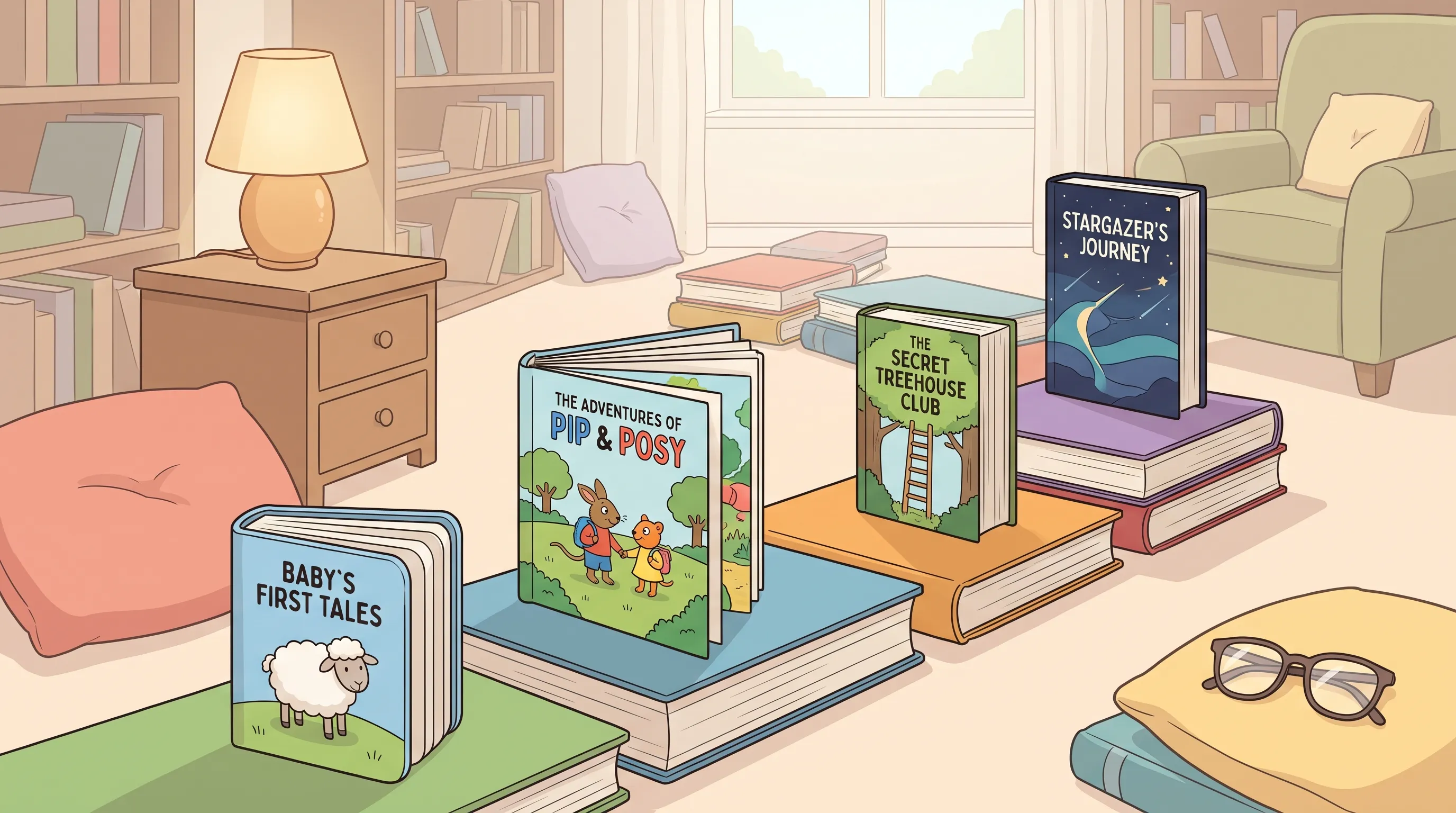
The best story books read aloud are not always the newest, longest or most award-winning books on the shelf. They are the ones a child can enter easily, understand emotionally and enjoy hearing in another person’s voice.
That changes with age. A baby may need rhythm and faces more than plot. A toddler may want repetition and a chance to shout the same word every page. A seven-year-old may be ready for chapters but still crave pictures, while an older child may want humour, suspense or a story that respects bigger feelings.
Choosing well matters because reading aloud is not just about finishing a book. It builds vocabulary, attention, empathy, memory and closeness. BookTrust encourages sharing books from the earliest years because the routine itself helps children associate stories with warmth, comfort and conversation.
Here is how to pick read-aloud storybooks for every age, from babies to teens, with practical signs that a book is the right fit.
What Makes a Story Book Work Read Aloud?
A book can be wonderful on the page but awkward in the mouth. Read-aloud books need a certain performance quality, even if you are reading in your normal bedtime voice.
Strong read-aloud storybooks usually have clear sentence rhythm, vivid characters, a sense of movement and moments where the listener can predict, react or ask questions. For younger children, that might mean rhyme and repetition. For older children, it might mean cliffhangers, dialogue, mystery or emotional stakes.
Before choosing by age, try the voice test. Read one page out loud in the shop, library or preview. If the sentences flow, the emotions are easy to express and your child would understand what is happening without too much explanation, it is probably a good read-aloud candidate.
The opposite is also true. If you stumble often, need to explain every other word or feel bored reading the page, your child may feel that too.
A Quick Age-by-Age Guide
Age recommendations are helpful, but children do not develop in neat boxes. Use this table as a starting point, then adjust for your child’s attention span, interests, language confidence and emotional readiness.
| Age range | Best read-aloud features | Good formats | Watch out for |
|---|---|---|---|
| 0 to 12 months | Rhythm, faces, contrast, simple words | Board books, cloth books, short rhymes | Long plots, fragile pages, too much text |
| 1 to 3 years | Repetition, actions, familiar routines | Board books, sturdy picture books | Abstract themes, too many characters |
| 3 to 5 years | Clear story arc, humour, expressive illustrations | Picture books, personalised stories | Overly long pages, sarcasm they cannot read yet |
| 5 to 7 years | Longer plots, pattern, dialogue, gentle challenge | Picture books, early chapter books, audiobooks | Books that are too easy emotionally or too dense visually |
| 8 to 12 years | Suspense, humour, deeper characters, series appeal | Chapter books, illustrated novels, family read-alouds | Themes that feel babyish or content that is too mature |
| 13 years and up | Voice, ideas, identity, complex emotion | Novels, memoirs, poetry, audiobooks | Forced choices that feel like homework |
Babies: Choose Sound, Shape and Warmth
For babies, reading aloud is less about understanding the full story and more about hearing language, watching expressions and enjoying a predictable moment with a familiar adult.
Pick books with strong rhythm, simple repetition and high-contrast or uncluttered images. Babies respond well to faces, animals, everyday objects and sounds you can exaggerate. A book with animal noises, lullaby-like phrasing or repeated sounds gives you plenty to perform.
Durability matters too. Board books and cloth books are not second-best versions of real books. They are the right format for babies who chew, grab and turn pages with enthusiasm.
A good baby read-aloud often takes less than five minutes. That is fine. At this age, one warm page read three times can be more valuable than pushing through a whole book.
Toddlers: Pick Books They Can Join In With
Toddlers love control. They want to point, repeat, predict, turn pages and sometimes reject a book halfway through. The best read-aloud stories for this age give them something to do.
Look for repeated phrases, lift-the-flap moments, clear emotions and simple cause and effect. Books about bedtime, food, new siblings, potty training, pets or going outside often work well because toddlers recognise the world of the story.
Repetition is not lazy writing for toddlers. It is how they learn. When a phrase comes back again and again, they begin to anticipate it, then say it with you, then remember it proudly.
At this stage, avoid stories with too many scene changes or characters who look similar. Toddlers are still working out how one page connects to the next. Strong visual continuity helps them stay with the story.
Preschoolers: Look for Story, Pictures and Big Feelings
Between three and five, children begin to follow fuller plots. They can understand a problem, a plan and a resolution, especially when illustrations support the action.
This is a golden age for picture books. Choose stories with a clear beginning, middle and end, but leave room for surprise. Humour, mild suspense, repeated refrains and expressive characters all help preschoolers stay engaged.
Illustrations are especially important here because children use them to decode what the words do not fully explain. Facial expressions, setting details and visual sequences help them understand motivation and consequence. If you want to go deeper on this, StoryStitch has a helpful guide to how book illustrations help children follow a story.
For preschool read-alouds, choose books that invite conversation. A page that makes a child ask why did they do that, or what happens next, is doing its job.
Ages 5 to 7: Bridge Picture Books and Chapter Books
Early primary years can be tricky because many children are learning to read independently, but they still benefit enormously from being read to. Do not stop reading aloud just because a child can decode simple books alone.
At this age, read-aloud choices can be more ambitious than independent reading choices. A child who reads short sentences alone may happily listen to richer vocabulary, longer chapters and more complex plots when an adult carries the fluency.
Good options include longer picture books, early chapter books, funny school stories, gentle adventures and books with a memorable central character. Short chapters are helpful because they create natural stopping points, but do not worry if the book still has illustrations. Pictures are not a sign that a story is too young. They are part of the reading experience.
This is also a good age to introduce audiobooks alongside live reading. Audiobooks can model fluent expression and keep stories part of everyday life during car journeys, quiet time or busy evenings. Live reading still adds conversation and closeness, so the two formats work best together.
Ages 8 to 12: Respect Their Taste, Stretch Their World
Older children often know what they like, and they can be wonderfully stubborn about it. Some want fantasy worlds. Some want football stories, mysteries, graphic novels, animal adventures, comedy or realistic school drama.
For this age, the best story books read aloud usually have a strong hook. The first chapter should raise a question, create a problem or introduce a voice your child wants to spend time with. Series can be especially powerful because returning to a known world lowers the effort of starting a new book.
Reading aloud at this age can also become more social. Families can share a chapter after dinner, listen to an audiobook on a journey or read alternate pages. The goal is not to test comprehension. It is to keep stories pleasurable as school reading becomes more demanding.
Be mindful of content maturity. Many middle-grade books handle grief, fear, friendship problems or injustice beautifully, but some children need time to process those themes. If in doubt, read a few reviews or preview a chapter first.
Teens: Choose Stories Worth Sharing, Not Books That Feel Babyish
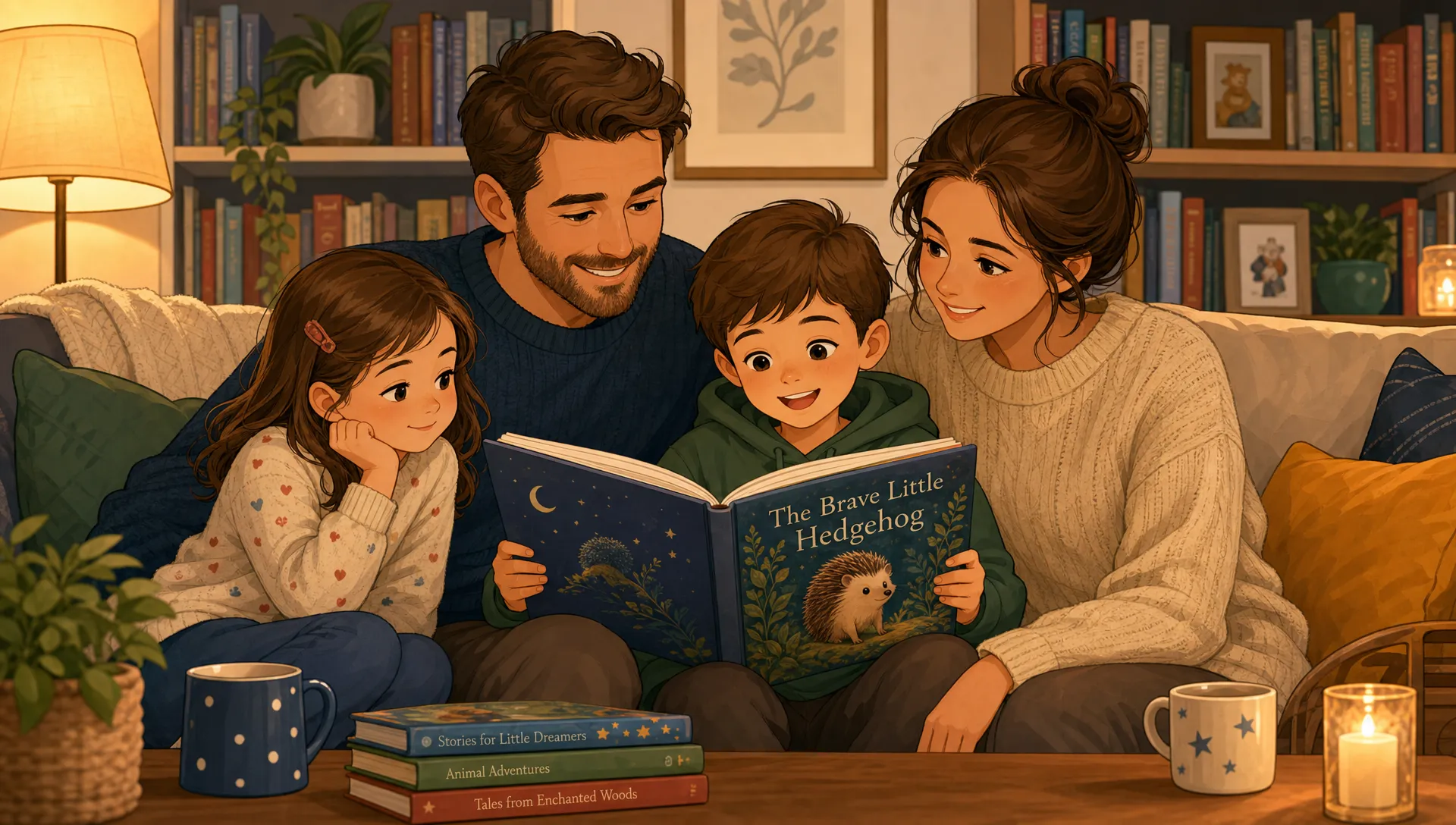
Reading aloud does not have to end in childhood. Teenagers may not want a bedtime picture book, but shared reading can still work when the material respects their age and independence.
For teens, consider novels with a distinctive voice, short stories, narrative nonfiction, poetry, memoirs or audiobooks connected to their interests. A teen who dislikes being read to directly may still enjoy listening to an audiobook while cooking, travelling or drawing.
The key is choice. Offer two or three options and let them decide. Avoid turning shared reading into a performance review. If the conversation afterwards is only about themes, techniques and exams, it may feel like school. If it is about characters, questions, reactions and opinions, it can still feel like connection.
How to Test a Read-Aloud Book Before You Commit
A beautiful cover is tempting, but the real test is how the book behaves when spoken. Use these quick checks before buying, borrowing or gifting.
- The first page makes you want to keep reading.
- The sentences sound natural when spoken aloud.
- Your child can understand the main situation without a long explanation.
- There is something to notice in the pictures, voice or character behaviour.
- The emotional tone suits the moment when you plan to read it.
- The length matches your child’s current attention span.
If you are choosing a personalised book, apply the same test. Personal details are powerful, but they still need a satisfying story around them. A child’s name or favourite animal can pull them in, yet rhythm, structure and character consistency keep them listening.
That is where personalised story creation can be useful. If you want a book built around your child’s interests, family memories or favourite kind of adventure, this guide on how to create a personalised children’s book with AI explains how a simple idea can become a complete story.
Match the Book to the Reading Moment
The right book also depends on when and where you plan to read it. A hilarious monster story may be perfect after lunch and terrible at bedtime. A gentle bedtime story may be comforting at night but too quiet for a classroom group.
For bedtime, choose predictable structure, warm language and lower stakes. The story can still be interesting, but avoid endings that create too much excitement or unresolved tension.
For group reading, choose bold illustrations, clear voices and moments where children can join in. Repeated lines, sound effects and visible character emotions work well when several children are listening at once.
For travel, audiobooks and longer chapter stories can help sustain attention. Choose stories with clear chapter breaks so children can pause without losing the thread.
For reluctant listeners, start with their interests rather than your ideal bookshelf. Dinosaurs, space, pets, magic, football, baking, superheroes, silly jokes or family adventures can all be legitimate pathways into reading.
Common Mistakes When Choosing Read-Aloud Books
Even well-intentioned adults can pick books that miss the mark. Most mistakes come from choosing for the child you imagine rather than the child in front of you today.
| Mistake | Why it causes problems | Better approach |
|---|---|---|
| Choosing only by reading level | Listening comprehension can be higher than independent reading level | Pick books they can enjoy hearing, not only books they can read alone |
| Skipping pictures too soon | Illustrations support understanding and discussion | Keep picture books in the mix for as long as they are enjoyed |
| Picking books that are too long | Children may lose the story thread | Use shorter chapters or pause at natural cliffhangers |
| Avoiding repetition | Repetition builds confidence and participation | Re-read favourites and add variety gradually |
| Treating audiobooks as cheating | Listening can support vocabulary, fluency and story enjoyment | Use audiobooks as one part of a rich reading life |
When Personalised Read-Aloud Books Make Sense
Personalised stories are especially effective when a child needs an extra reason to care. Seeing their name, interests, family members or familiar places woven into a story can make reading feel immediate and special.
They can work well for birthdays, new sibling transitions, moving house, first days at school, family holidays or confidence-building moments. They are also useful when a child loves a very specific theme that is hard to find in existing books.
The important thing is to keep the story strong. A personalised book should still have a clear character, a problem worth solving and an ending that feels earned. The child should not simply be placed into a thin plot. They should feel like they belong in the adventure.
StoryStitch is designed for this kind of experience, turning a simple idea into a personalised storybook with structured chapters, illustrations and options for ebook, audiobook or printed keepsake formats. You can also preview before payment, which is useful when you want to check whether the story feels right for reading aloud.
Frequently Asked Questions
What age should I start reading story books aloud? You can start from birth. Babies may not understand the plot, but they benefit from hearing your voice, seeing your expressions and building a comforting routine around books.
Are audiobooks as good as reading aloud? Audiobooks are valuable, especially for modelling fluent expression and making stories available during busy moments. Live reading adds closeness and conversation, so a mix of both is ideal.
How long should a read-aloud session be? Follow the child’s attention span. A few minutes may be enough for a baby or toddler, while older children may enjoy a full chapter or more. Consistency matters more than length.
Should I choose books above my child’s reading level? For reading aloud, yes, as long as the story is emotionally and conceptually suitable. Children can often understand more complex language when an adult reads with expression and explains gently when needed.
What if my child wants the same book every night? Re-reading is useful. It builds memory, prediction, vocabulary and confidence. You can keep the favourite in rotation while slowly introducing similar books.
Create a Story They Will Want to Hear Again
The best read-aloud book meets a child where they are, then gives them a small doorway into something new. Sometimes that book is a classic. Sometimes it is a library discovery. Sometimes it is a personalised adventure made just for them.
If you have an idea your child would love, a brave pet, a magical bedroom, a grandparent adventure or a story starring siblings, you can use the StoryStitch AI storybook maker to turn it into a personalised story with illustrations and finished formats for reading, listening or keeping in print.