How Book Illustrations Help Children Follow a Story
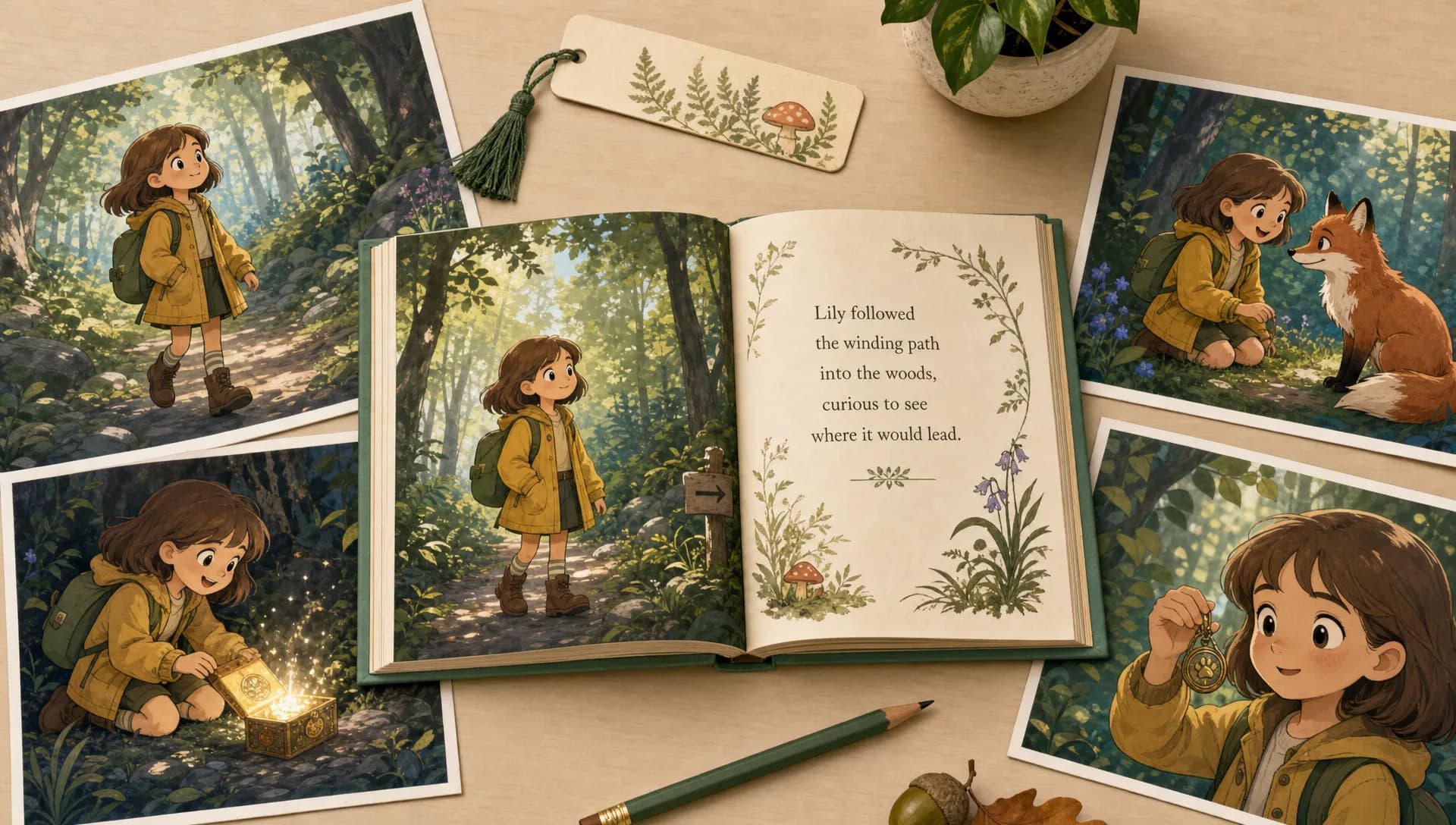
When a child asks, “Wait, what happened?” during a story, the answer is often sitting right on the page. Book illustrations do far more than make a story look beautiful. They help children track who is speaking, where the action is happening, what has changed, and how a character feels from one page to the next.
For early readers, pictures are not a shortcut around reading. They are part of how children learn to read stories with understanding. A well illustrated book gives young minds visual clues that support listening, prediction, memory and emotional connection. That is why picture books remain powerful long after a child can decode words independently.
Why book illustrations matter for story comprehension
Children do not experience stories in the same way adults do. Adults can hold a plot, setting, character motivation and timeline in mind with little help. Young children are still building those skills, so illustrations act like a gentle guide.
A picture can show a child that the story has moved from home to the forest, that the small dragon is nervous, or that the missing teddy is hiding under the bed. These details make the story easier to follow because the child is not relying on words alone.
This is especially important during shared reading. BookTrust’s advice on reading with children encourages grown-ups to talk about pictures, ask questions and let children notice details. That interaction turns illustrations into a conversation, not just decoration.
In personalised children’s books, the effect can be even stronger. When a child recognises their own name, pet, family member or favourite setting in the illustrations, they have an extra reason to pay attention. The story feels closer to their world, which makes it easier to care about what happens next.
Pictures give children context before the words do
Before a single sentence is read aloud, an illustration can prepare a child for the scene. The colours, objects, weather and facial expressions all create a sense of what kind of moment is coming.
Imagine turning a page and seeing a child standing outside a dark cave with a torch. Even before the text says anything, a young reader can guess that something adventurous or mysterious is about to happen. That prediction helps them listen more actively because they are already trying to connect the words to the image.
This process is sometimes called a picture walk, where children look through the illustrations before reading and make guesses about the story. Reading Rockets describes picture walks as a way to build background knowledge and prepare children for comprehension. In everyday family reading, it can be as simple as asking, “What do you think is happening here?” before starting the page.
Illustrations are particularly helpful when the story includes unfamiliar places, objects or experiences. A child may not know what a lighthouse, market stall or hot air balloon looks like from the word alone. The picture gives them an immediate reference point, so they can keep following the plot without getting stuck.
Illustrations make story sequence easier to understand
One of the hardest parts of story comprehension is sequence. Children need to understand what happened first, what changed, and what came after. Illustrations provide visual anchors for that timeline.
A page showing a character packing a bag, followed by a page showing the same character on a train, helps a child understand movement and progression. The words may explain the journey, but the pictures make it visible.
This is why consistent character design matters. If the main character looks completely different from one page to the next, children can lose track of who they are following. Clear, consistent book illustrations help them connect scenes and understand that the same character is moving through different moments of the story.
Personalised storybooks benefit from this kind of consistency too. A child who sees the same hairstyle, outfit colours or favourite toy repeated across pages can follow the hero more easily. StoryStitch’s approach to personalised stories includes character consistency checks, which helps keep the visual thread of a story clear from chapter to chapter.
Pictures help children read emotions and motives
Children often understand emotion visually before they can explain it in words. A frown, slumped shoulders, wide eyes or a delighted smile can tell them how a character feels. That emotional information helps them understand why the character behaves in a certain way.
For example, if an illustration shows a child hiding behind a parent’s legs on the first day of school, the reader can infer nervousness even if the text is simple. Later, if the same child is shown laughing with a new friend, the visual change helps the reader understand character development.
This emotional tracking is one reason illustrated stories are so valuable for empathy. Children can practise noticing feelings, naming them and connecting them to actions. A parent or teacher might ask, “How do you think she feels?” or “What do you see in the picture that tells you that?”
These questions teach children that stories are not just events. They are about people, choices and feelings.
What illustration details help children follow a story?
Not every picture supports comprehension equally. The best book illustrations are clear, purposeful and connected to the text. They show enough detail to help children understand the moment without overwhelming them.
| Illustration element | How it helps children follow the story | Example |
|---|---|---|
| Consistent characters | Helps children recognise who is who across pages | The same red scarf appears on the main character throughout the book |
| Clear expressions | Helps children understand emotions and motives | A worried face before a difficult choice |
| Setting clues | Shows where the scene is happening | A kitchen table, school gate or moonlit garden |
| Visual sequence | Makes before and after easier to understand | A seed, then a sprout, then a flower |
| Repeated objects | Helps children remember important story details | A lost key appearing in several scenes |
A useful illustration does not need to explain everything. In fact, the best ones leave room for curiosity. A small clue in the corner of a page can invite children to look closer, predict and stay engaged.
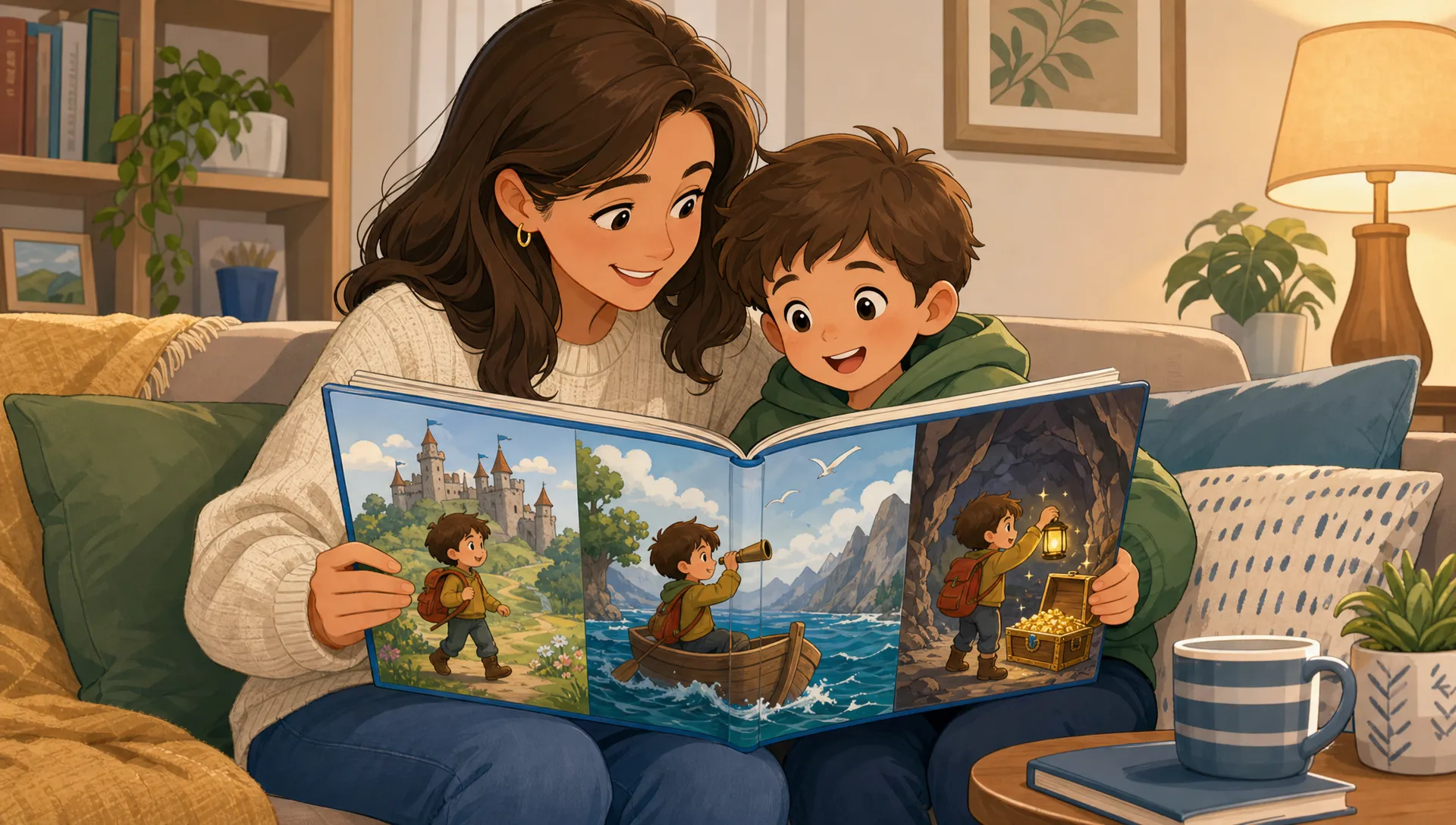
Illustrations support new vocabulary
Children learn many words through context. If a story says the hero climbed a “steep hill”, the illustration can show what steep means. If the text describes a “glistening shell”, the picture helps connect the word to colour, shape and shine.
This visual support is especially useful when stories introduce richer language. A children’s book does not need to avoid interesting words, as long as the story gives enough support for children to understand them. Illustrations can make ambitious vocabulary feel accessible rather than frustrating.
They also help children remember words. A child who sees a mischievous fox knocking over a basket may be more likely to remember the word “mischievous” because it is tied to a funny, memorable image.
Personalised illustrations make the story feel easier to enter
When a child sees a character who resembles them or a world inspired by their own life, the story becomes less abstract. They are not just watching a stranger go on an adventure. They are imagining themselves inside the plot.
That sense of ownership can make children more attentive. They may notice details more carefully, ask more questions and want to revisit the story. Re-reading is not a problem. It is one of the ways children strengthen comprehension, language and memory.
Personalisation also helps families turn real experiences into stories. A holiday, a first day at nursery, a new sibling, or a beloved grandparent can become part of a child’s narrative world. If you are interested in that emotional side of storytelling, StoryStitch explores how books and characters bring personal stories to life through familiar details and meaningful characters.
The key is balance. Personalised illustrations should still serve the story. A child’s name or likeness is delightful, but the pictures also need to show action, emotion and change so the reader can follow the plot.
How adults can use illustrations during storytime
Illustrations help most when adults slow down and let children interact with them. You do not need a formal lesson. A few natural prompts can turn picture looking into story thinking.
Try using questions such as:
- What do you notice first on this page?
- Where do you think the character is going?
- How can you tell they are happy, worried or surprised?
- What has changed since the last page?
- What do you think will happen next?
These questions build comprehension without making storytime feel like homework. They also show children that reading is active. They are allowed to wonder, predict, disagree and spot clues.
For very young children, pointing is enough. You might say, “There’s the dog again,” or “Look, the moon is getting higher.” Over time, those small observations help children understand continuity and sequence.
For older children, illustrations can support deeper thinking. Ask why an illustrator might have used dark colours, why a character is drawn small on a large page, or what a hidden detail might mean. These conversations build visual literacy, which is increasingly important in a world full of images.
Common illustration problems that make stories harder to follow
Because illustrations are so influential, unclear images can confuse children. A story may be well written, but if the pictures contradict the text or change too much, young readers may struggle.
Common problems include crowded pages with too many competing details, characters who look inconsistent, scenes that do not match the story, and emotional expressions that are hard to read. These issues interrupt comprehension because the child has to work out the picture before they can connect it to the plot.
This matters when creating custom or AI illustrated stories. AI tools can produce charming images, but the finished book still needs a thoughtful review. Are the characters recognisable from page to page? Do the pictures match the chapter events? Does each image help the child understand the story rather than distract from it?
That is why an editable story studio and review process are useful. In StoryStitch, families can begin with a simple idea, review a free preview, develop the story chapter by chapter, add illustrations and then choose the finished format. The full process is outlined in this guide to how to make a storybook.
Illustrations work alongside ebooks, audiobooks and print
Illustrations are often associated with printed picture books, but they also matter in digital formats. In an ebook, children can revisit an image, zoom their attention into details and connect the picture to the text at their own pace. In an audiobook experience, illustrations can be used before or after listening to reinforce the scenes and help children retell what they heard.
Printed keepsakes add another layer. A physical illustrated book can become part of a bedtime routine, a gift shelf or a family memory box. When children return to the same book again and again, the illustrations become familiar landmarks. They know the page where the dragon appears, the spread where the garden glows, or the scene where the hero finally feels brave.
That familiarity is not repetitive in a bad way. It is how children build confidence. The pictures help them anticipate the story, and anticipation helps them participate.
Choosing or creating books with strong illustrations
Whether you are buying a picture book or creating a personalised one, look for illustrations that make the story easier to understand. The art style can be soft, bold, funny, magical or realistic. What matters most is whether the images support the child’s journey through the story.
Good questions to ask include: Can the child identify the main character quickly? Does each picture show a meaningful story moment? Are emotions visible? Does the setting change clearly when the story moves? Are important objects repeated when they matter to the plot?
If you are creating a personalised book, think about the child’s real interests too. A dinosaur fan, a ballet lover or a child obsessed with space may follow the story more eagerly when those visual worlds appear on the page. For inspiration before you begin, StoryStitch has a collection of story prompts for children’s books that can help turn a simple idea into a stronger starting point.
Frequently Asked Questions
How do book illustrations help children understand a story? Book illustrations give children visual clues about characters, settings, actions and emotions. These clues help them connect events, predict what may happen next and remember the story more clearly.
Are illustrations still useful once a child can read independently? Yes. Independent readers still use pictures to understand tone, setting, character feelings and complex ideas. Illustrations can also make stories more enjoyable and encourage children to re-read.
Can personalised illustrations improve engagement? Personalised illustrations can make a story feel more meaningful because children recognise familiar people, places or interests. That emotional connection often makes them more attentive to the plot.
What makes a good children’s book illustration? A good illustration is clear, consistent and connected to the text. It should help the child understand what is happening, who is involved, where the scene takes place and how the characters feel.
Should parents talk about the pictures while reading? Yes. Talking about pictures helps children practise observation, prediction and comprehension. Simple questions such as “What changed?” or “How does the character feel?” can make storytime more interactive.
Turn a story idea into an illustrated book children can follow
The best book illustrations do not just decorate a page. They guide children through the story, help them recognise characters, understand emotions and remember what happened next.
If you have an idea for a personalised children’s book, StoryStitch can help turn it into a structured story with illustrations, consistency checks and finished editions in ebook, audiobook or printed form. Start with a simple prompt, review a free preview, edit the story in the studio and create a keepsake designed around the child at the heart of the adventure with the StoryStitch AI storybook maker.