How Books and Characters Bring Personal Stories to Life
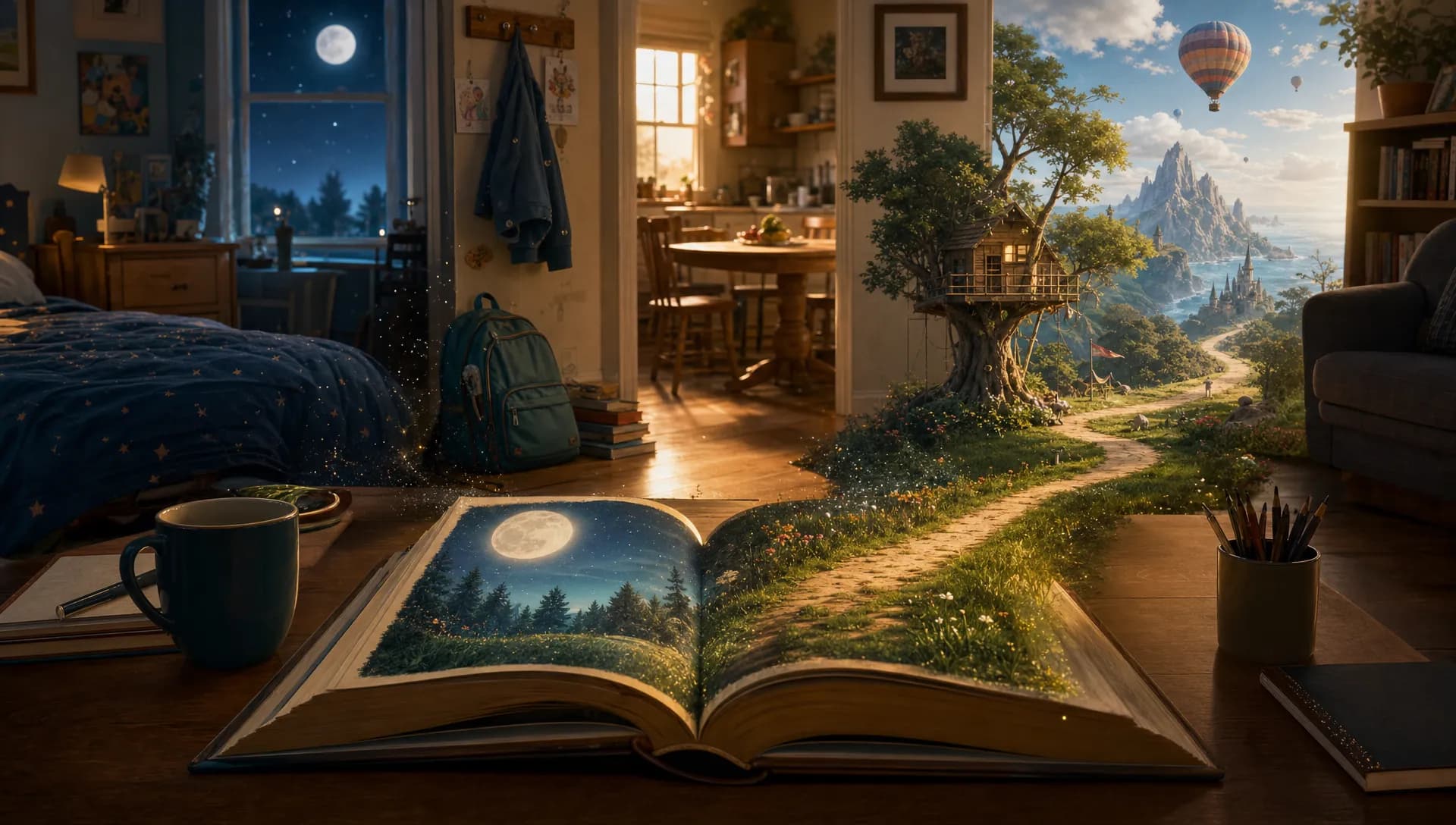
A personal story becomes more than a memory when someone can step inside it. That is what books and characters do so well: they give family moments a shape, a voice, and a world where children can return again and again.
A grandparent’s childhood adventure, a toddler’s first brave day at school, a sibling joke that never gets old, or a family tradition that deserves to be remembered can all become the beginning of a story. But the magic usually happens when those real details are carried by characters children care about. Suddenly, a memory is not only told. It is experienced.
For parents, gift-givers, and families, this is why personalized storybooks feel so meaningful. They turn the people, places, and emotions of real life into something children can see, hear, and hold.
Why books make personal stories easier to remember
Personal stories are powerful, but they can be slippery. A child may enjoy hearing, “When you were little, you used to call the moon a night-light,” yet that moment may fade if it is only mentioned in passing. Put that same detail into a book, and it becomes part of a scene: a child in pajamas, a glowing window, a bedtime conversation, a moon that seems to listen.
Books help personal stories endure because they organize memory into a beginning, middle, and end. They choose what matters, slow down the emotional moments, and give children a path to follow. Instead of receiving disconnected facts, readers experience a journey.
This matters for children in particular. The American Academy of Pediatrics emphasizes early shared reading as a meaningful part of childhood development and family connection. When the story also reflects a child’s own world, it can become even more engaging because the child recognizes familiar names, places, routines, or feelings.
A personalized book does not need to retell life exactly as it happened. In fact, the best personal stories often blend truth with imagination. A shy child can become a lighthouse keeper who learns to shine. A family dog can become the captain of a backyard spaceship. A rainy walk to school can become a quest through a silver forest. The emotional truth remains, while the story gives it wonder.
Characters are the bridge between real life and imagination
If a book is the container, characters are the heartbeat. They are how readers understand courage, kindness, fear, curiosity, jealousy, and joy. When books and characters are built around personal details, the story feels intimate without becoming a scrapbook.
A strong character does more than wear the child’s name. They want something. They face a challenge. They make choices. They grow. That is what turns personalization into storytelling.
For example, compare these two approaches:
| Personal detail | Flat use in a story | Character-driven use |
|---|---|---|
| A child loves dinosaurs | The child sees dinosaurs everywhere | The child becomes a junior fossil finder who must solve a mystery using patience and observation |
| A child is nervous about school | The child goes to school and feels better | The child enters a classroom kingdom and learns that asking for help is brave |
| A family has a bedtime song | The song is mentioned before sleep | The song becomes a “map melody” that helps the character find their way home |
| A sibling pair loves building forts | They build a fort together | Their fort becomes a peace treaty castle where they learn to share ideas |
The difference is agency. A character-driven story gives the child, or a character inspired by them, a meaningful role. They are not just present in the book. They matter to the plot.
The personal details that make characters feel alive
Personalization works best when it goes beyond surface-level facts. A name and appearance can help a child recognize themselves, but personality, habits, relationships, and emotions are what make a character feel real.
Useful details often include:
- A favorite phrase or nickname
- A pet, toy, or comfort object
- A familiar setting, such as a bedroom, garden, school, or grandparent’s kitchen
- A real challenge, like sharing, trying something new, or managing big feelings
- A family value, such as kindness, curiosity, courage, humor, or resilience
- A small sensory memory, like cinnamon pancakes, muddy sneakers, or the sound of ocean waves
These details do not need to appear all at once. Too many personal references can make a story feel crowded. A few carefully chosen details usually feel more natural and emotionally precise.
Think of personalization like seasoning. The goal is not to add everything. The goal is to add the right things, in the right places, so the story tastes like home.
How books and characters help children see themselves
Children often use stories to understand who they are and who they might become. When a child meets a character who shares their name, family structure, interests, culture, fears, or dreams, the story can feel like an invitation: “There is room for someone like me here.”
This is one reason representation matters in children’s literature. The classic phrase “mirrors, windows, and sliding glass doors,” introduced by educator Rudine Sims Bishop, is often used to describe how books can reflect readers’ lives, show them other lives, and let them imaginatively enter new worlds. Personalized books add another layer because the “mirror” can be shaped around one specific child or family.
That mirror can be playful, too. A child does not need every story to teach a lesson. Sometimes the deepest connection comes from delight: seeing their cat as a royal advisor, their bicycle as a moon rover, or their baby brother as a giggling dragon. Joy is part of identity.
Why consistency matters when characters appear across a whole book
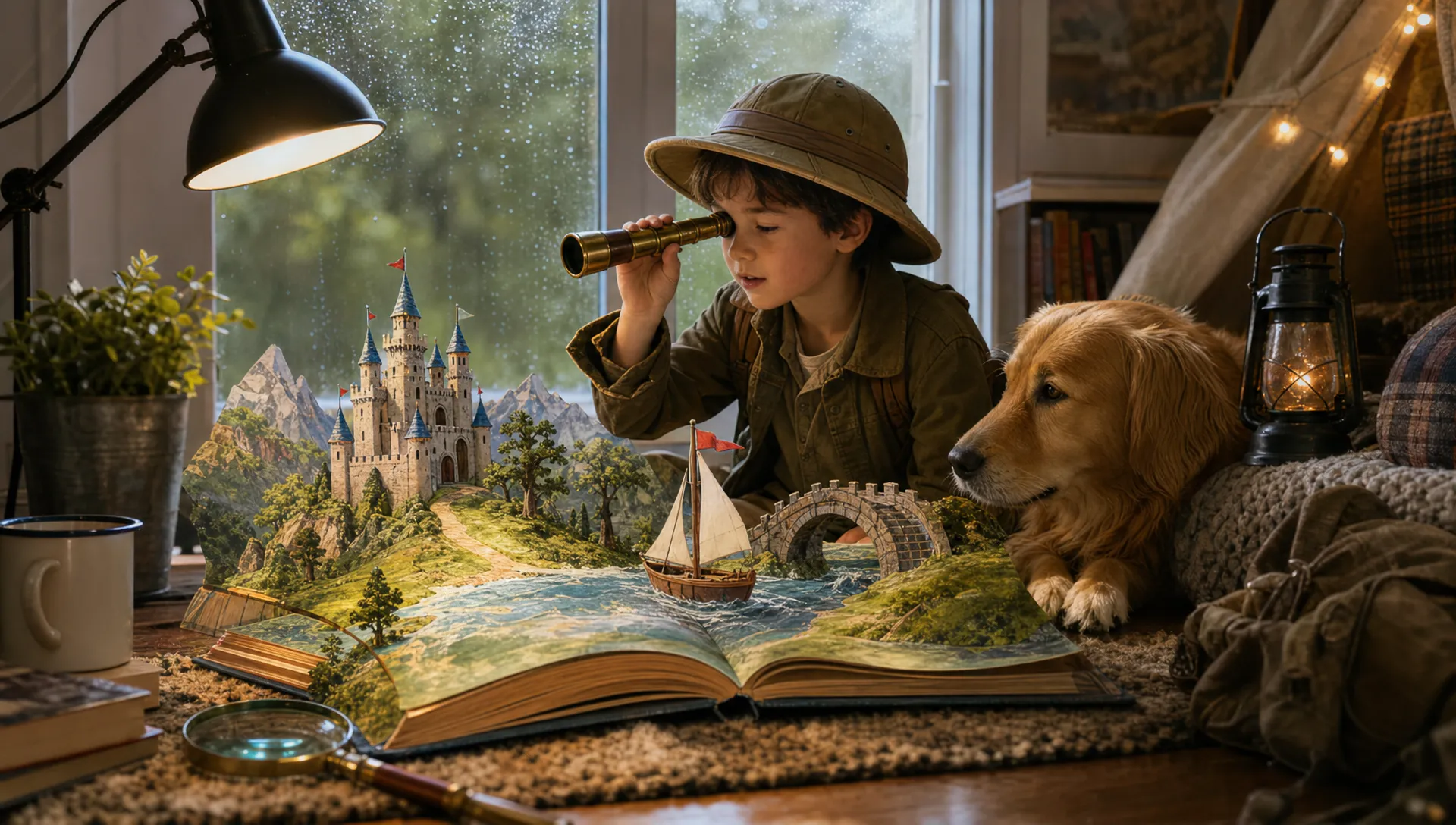
A personal story can lose its spell if the character changes randomly from page to page. Children notice when the hero’s personality, appearance, or relationships feel inconsistent. They may not explain it in technical terms, but they sense when something is “not right.”
Consistent characters help readers trust the world of the book. If a child character is curious, cautious, funny, or determined in chapter one, later chapters should build on that foundation. Growth is welcome, but contradiction without reason can feel confusing.
Character consistency is especially important in illustrated books. Visual continuity helps children recognize the hero instantly and follow the emotional arc. A familiar hairstyle, favorite sweater, beloved stuffed animal, or signature expression can become a visual anchor.
For families creating books with AI, this is one of the most useful advantages of working in a structured story studio rather than producing disconnected scenes. StoryStitch, for instance, is designed to turn a simple idea into a personalized storybook with structured chapters, illustrations, and consistency checks, which is helpful when the same characters need to feel recognizable across the whole book. You can explore the process through its AI storybook maker if you want to see how a personal idea can become a finished digital story.
From memory to plot: the simple structure that works
Many people have meaningful memories but are unsure how to turn them into a story. The easiest way is to begin with the emotional point, not the event itself.
Ask, “What is this story really about?”
A trip to the beach might be about bravery. A lost tooth might be about growing up. A messy baking day might be about teamwork. A move to a new home might be about belonging. Once you know the emotional center, the plot becomes easier to build.
A simple structure often works beautifully:
| Story part | Purpose | Example |
|---|---|---|
| Familiar beginning | Grounds the child in a recognizable world | A child packs a tiny backpack before visiting Grandma |
| Invitation to adventure | Adds imagination or a clear goal | Grandma reveals a “memory map” hidden in an old recipe box |
| Challenge | Gives the character something to learn or solve | The map only works when the child listens carefully to family stories |
| Choice | Lets the character show growth | The child chooses patience instead of rushing ahead |
| Warm ending | Connects the adventure back to real life | The child helps bake the family recipe and adds a new memory |
This structure is simple, but it gives personal details a purpose. The story is not just a list of things the child knows. It becomes a journey with emotional movement.
Books can preserve family voices
One of the most beautiful things books and characters can do is preserve a family’s voice. Not just what happened, but how the family speaks, jokes, comforts, and celebrates.
A personalized storybook can include a grandparent’s saying, a parent’s bedtime phrase, a sibling’s silly nickname, or a family tradition that might otherwise live only in memory. When those details are woven into dialogue and character moments, they become part of the child’s reading life.
This is especially meaningful for gifts. A personalized book can mark a birthday, new baby, holiday, adoption, first day of school, move, or family milestone in a way that feels more lasting than many ordinary presents. If you are looking for occasion-specific inspiration, StoryStitch has a guide to personalised book gift ideas that can help you match the story concept to the moment.
The best keepsake books often do two things at once: they entertain the child now and preserve a piece of family history for later.
The role of audiobooks in making characters feel real
Printed books and ebooks bring characters to life visually, but audiobooks add another layer: voice. Hearing a story can make characters feel more immediate, especially for younger children or for families who love bedtime listening.
An audiobook version can also make a personal story easier to revisit during car rides, quiet time, or long-distance family moments. A child may hear their name, their world, or their family values inside a story even when a physical book is not nearby.
Sound changes how children experience character. A brave character can sound uncertain at first, then steadier as the story progresses. A mischievous sidekick can become funnier through rhythm and tone. A gentle narrator can make a family story feel like it is being passed down.
For personal stories, that sense of being “told” matters. It connects modern formats with one of the oldest family traditions: sharing stories aloud.
How to choose the right character for a personal story
Not every personal story needs the child to be the main character exactly as themselves. Sometimes a direct self-insert is perfect. Other times, a lightly fictional character works better because it gives the child room to explore emotions without feeling exposed.
Here are a few options to consider:
- The child as the hero: Best for birthdays, confidence-building stories, adventures, and milestone moments.
- A sibling or friend duo: Great for stories about teamwork, sharing, friendship, or family bonds.
- A beloved pet as narrator: Useful for humorous stories, gentle lessons, or family memories seen from a playful angle.
- A magical guide or sidekick: Helpful when the story needs warmth, humor, or a character who can ask questions.
- A fictional child inspired by the real child: Good for sensitive topics, such as moving, anxiety, jealousy, or grief.
The right choice depends on the child’s age, personality, and the purpose of the book. Some children love seeing themselves directly in the spotlight. Others connect more freely when the character is “like me” rather than “me.”
Making personal stories age-appropriate
A strong personalized book meets the child where they are. A preschooler may enjoy repetition, simple choices, and visual surprises. An early reader may want a clearer adventure and funny dialogue. An older child may appreciate richer character motivations, chapter structure, and emotional nuance.
Age also affects how personal details should be handled. Younger children often enjoy literal recognition: their name, their pet, their favorite color, their room. Older children may care more about authenticity: whether the character thinks, reacts, and speaks in a way that feels believable.
If you are building a story from scratch, it helps to decide the reading experience first. Is this meant for bedtime comfort, a silly adventure, a printed keepsake, a read-aloud family gift, or a chapter-by-chapter story the child can grow into? The answer will shape the pacing, language, and character depth.
For a more practical walkthrough of the creation process, you can use StoryStitch’s step-by-step guide on how to make a storybook as a companion while you shape your idea.
Common mistakes that make personal stories feel less personal
Personalized books work best when the story comes first. The personal details should support the emotional arc, not replace it.
A few common mistakes can weaken the result:
- Adding too many names, places, and facts without giving the character a goal
- Making the child perfect instead of letting them learn, choose, or grow
- Treating illustrations as decoration instead of part of the storytelling
- Forgetting the emotional reason the story matters
- Using a moral that feels too obvious or preachy
Children usually respond to stories that respect them as readers. They do not need a lecture hidden inside an adventure. They need a character they care about, a problem worth solving, and a world that rewards curiosity.
Why finished books become keepsakes
A personal story told once is a moment. A finished book is a keepsake.
That transformation matters. When a story becomes an ebook, audiobook, or printed book, it gains permanence. It can sit on a shelf, be opened at bedtime, be shared with grandparents, or be saved for the child to rediscover years later.
The physicality of a printed book can be especially powerful. A child can point to the character, trace the illustrations, memorize favorite lines, and ask for the story again. Over time, the book becomes part of family routine, not just a one-time novelty.
This is where books and characters bring personal stories fully to life. The book gives the memory a home. The characters give the child someone to follow. Together, they turn real love, laughter, and lessons into a story that can be returned to whenever the family wants.
Frequently Asked Questions
What makes books and characters important in personal storytelling? Books give personal memories structure, while characters give readers an emotional connection. Together, they turn real-life details into a story with movement, meaning, and imagination.
Does a personalized book need to be completely true? No. Many of the best personalized books blend real details with fictional adventures. The goal is to preserve the emotional truth while creating a story that feels engaging and memorable.
How do I make a character based on a child feel realistic? Focus on personality, choices, and growth. Include a few recognizable details, such as a favorite toy or phrase, but give the character a goal and a challenge so they feel active in the story.
Are personalized storybooks good gifts? Yes, especially for birthdays, holidays, new siblings, school milestones, and family celebrations. They feel thoughtful because they are built around the child or family rather than chosen from a generic shelf.
Can AI help create consistent books and characters? AI can help structure a story, draft chapters, create illustrations, and support consistency across a book when used in a guided creation process. It works best when you provide meaningful personal details and review the story thoughtfully.
Turn your personal story into a book children can return to
Every family has stories worth keeping. The challenge is turning them into something a child wants to read again and again.
With StoryStitch, you can start with a simple idea and shape it into a personalized storybook with chapters, illustrations, and finished formats including ebook, audiobook, and printed keepsake options. Whether your story begins with a family memory, a child’s big milestone, or a character inspired by someone you love, the right book can make it feel alive for years to come.